Logistics Specialist
Namrah Trading Specialist
The Last-Mile is the most expensive and complex part of the supply chain in Saudi Arabia. In 2026, with the Kingdom's e-commerce sector expected to reach SAR 50 billion, the battle for the customer's doorstep is being fought through fleet optimization. Choosing the right vehicle mix is no longer a matter of preference—it's a matter of mathematical survival.
1. The Delivery Bike Revolution (The Keeta Phenomenon)
Riyadh and Jeddah have some of the most challenging traffic patterns in the world. For small parcels and food delivery, the two-wheeler has become indispensable.
The Speed Advantage: In peak hours (4 PM to 9 PM), a delivery bike can complete 3x more deliveries than a sedan.
New TGA Regulations (2025-2026): The Transport General Authority has mandated that all delivery bikes must be part of an Aggregator Fleet or a licensed logistics company. Individual freelance delivery on bikes is being phased out in favor of organized fleets.
Safety and Maintenance: High-visibility boxes, specialized driver uniforms, and weekly brake and tire checks are now the industry standard for professional bike fleets.
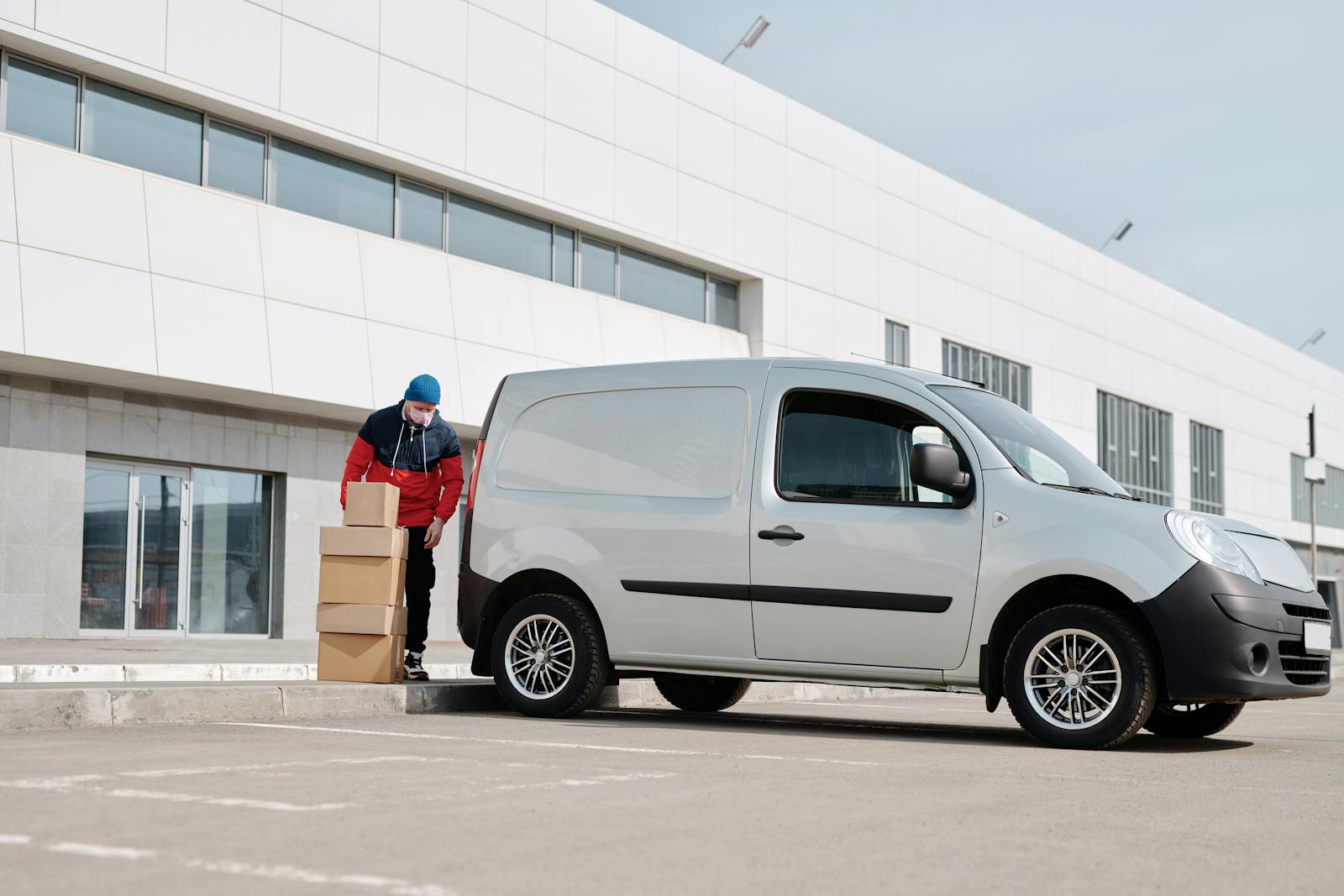
2. The 1-Ton Van: The E-Commerce Workhorse
For electronics, fashion, and bulk grocery delivery, the mid-sized van (e.g., Toyota Hiace, Ford Transit) is the optimal asset.
The Cold Chain Challenge: In the Saudi summer, a standard van interior can reach 65°C. For e-commerce delivery of cosmetics, chocolates, or perishables, Active Cooling is a must.
Driver Ergonomics: Last-mile drivers often make 40-60 stops per day. Choosing vans with Walk-Through cabins and automatic sliding doors can reduce driver fatigue and improve delivery rates by 10%.
3. Passenger Cars and Gig-Economy Hybrids
While the market is moving towards professionalized fleets, the use of small sedans for premium, white-glove delivery remains a niche but profitable segment.
The VIP Experience: High-end luxury brands in the Kingdom often use SUVs or luxury sedans to deliver products to their VIP clients, ensuring the brand experience continues to the door.
4. Telematics: The Brain of the Last-Mile
In 2026, a fleet without telematics is flying blind.
Route Optimization: AI-driven routing is now saving Saudi operators up to 22% in fuel costs by avoiding high-congestion zones during prayer times and school runs.
Geofencing: Automatically alerting the customer when the delivery vehicle is within 500 meters.
Driver Behavior Monitoring: Hard braking and rapid acceleration are the primary causes of parcel damage and high fuel consumption. Modern telematics platforms provide Driver Scorecards that can be linked to performance bonuses.
5. Sustainability and the Green Last-Mile
Aligned with the Saudi Green Initiative, the first fleets of electric delivery vans are hitting the streets of NEOM and the Red Sea Project.
EV Challenges: The primary hurdle remains the Heat Impact on battery life. In KSA, cooling the battery can consume up to 30% of the vehicle's range.
The Outlook: By 2028, we expect at least 15% of urban last-mile fleets in major cities to be electric or hybrid.
6. The Human Factor: Saudization in the Last-Mile
The Saudi-on-the-Doorstep initiative is a major policy focus. Companies that utilize Saudi nationals for the Face-to-Face part of the delivery are seeing higher customer satisfaction scores and better compliance ratings.
Conclusion: The Optimal Mix
There is no One Size Fits All solution. A successful last-mile operator in 2026 needs a balanced portfolio:
60% Mid-sized Vans for the bulk of deliveries.
30% Keeta Bikes for high-density urban Instant Delivery.
10% Premium Sedans/SUVs for luxury and executive orders.
Namrah Trading specialized in sourcing and maintaining this specific mix, providing logistics firms with the Fleet-in-a-Box they need to dominate the Saudi market.
Want to discuss these insights?
Our advisors are ready to help you navigate the Saudi market.
Contact Specialist